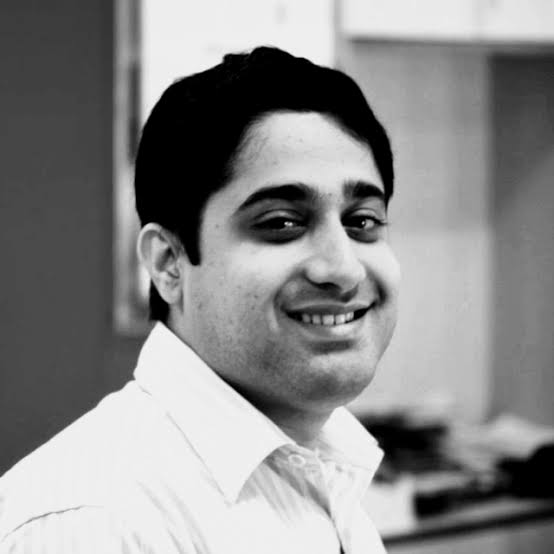
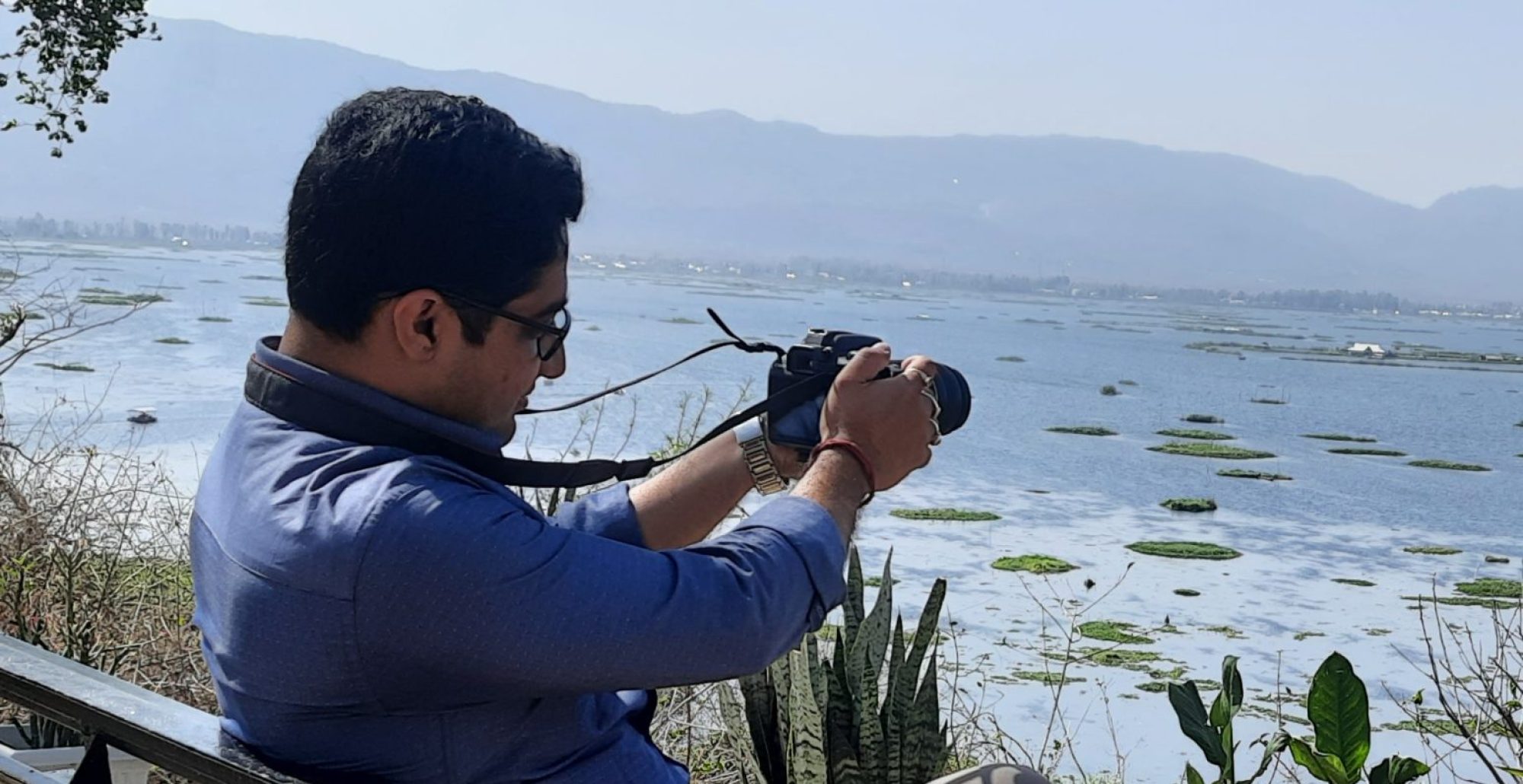
Boddhisatya Tarafdar
Independent Public Historian | Museum Curator | Documentary Filmmaker | Researcher
Boddhisatya Tarafdar professionally a banker, is also an independent public historian, museum curator, documentary filmmaker and researcher whose work is dedicated to researching, preserving and bringing India’s history—particularly the revolutionary freedom movement—to wider public audiences.
With an academic background spanning History, Journalism & Mass Communication, Museum Studies and Management, Boddhisatya combines historical research with museum interpretation, digital storytelling, documentary filmmaking, exhibitions and public education. His particular area of interest is the history of India’s revolutionary movement, with a special focus on Bengal’s revolutionaries, Netaji Subhas Chandra Bose, the Indian National Army, Rashbehari Bose, revolutionary networks in Asia, and the international dimensions of India’s struggle for independence.
Building History Beyond the Classroom
A central part of Boddhisatya’s work has been the creation of the Bengal Revolution for India’s Liberation (BRIL) Virtual Museum—an independent digital public-history initiative dedicated to documenting, interpreting and preserving the legacy of India’s revolutionary freedom fighters.
Conceived and curated by Boddhisatya, BRIL seeks to use digital museum technology to make historical knowledge accessible to students, educators, researchers and the wider public. Its galleries bring together historical narratives, photographs, documents, timelines and interpretive material, while its broader programme encompasses research, documentaries, exhibitions, lectures and educational outreach.
The objective is not simply to preserve the past, but to create meaningful ways for contemporary audiences to encounter it.
Research, Museums & Public History
Boddhisatya’s approach to history lies at the intersection of scholarship and public engagement. He believes that history should not remain confined to academic publications and archives; it should also be communicated through museums, films, exhibitions, digital platforms and educational programmes.
His work therefore combines:
- Historical research and writing
- Digital museum curation
- Documentary filmmaking
- Exhibition development
- Public lectures and historical talks
- Heritage and history education
- Archival and visual storytelling
- Digital public-history initiatives
He has written articles on historical subjects, delivered talks, organised historical exhibitions and produced documentary films dealing with India’s freedom movement and its personalities and institutions.
Documenting India’s Revolutionary Legacy
A major focus of his work is the recovery and presentation of stories that deserve greater public attention. His research interests encompass the revolutionary movement in Bengal, Anushilan Samiti and Jugantar, Khudiram Bose, Prafulla Chaki, Bagha Jatin, Masterda Surya Sen and the Chittagong Armoury Raid, Rashbehari Bose, Netaji Subhas Chandra Bose and the INA, as well as India’s revolutionary networks beyond the subcontinent.
He is particularly interested in exploring the connections between India’s freedom movement and the wider history of Asia, including Japan’s role in the Indian independence movement, Southeast Asia, the Indian National Army and the Azad Hind Government.
From Professional Life to Public History
Boddhisatya’s journey into public history has developed alongside a long professional career in banking. Rather than seeing his professional background and historical interests as separate worlds, he brings the discipline of management, communication and public engagement into his historical work.
His academic qualifications include an MBA, an MA in Journalism & Mass Communication, an MA in History, and formal study in Museum Studies. This interdisciplinary foundation has shaped his approach to history as a field that can be researched rigorously while also being communicated creatively and accessibly.
A Commitment to the Future of History
Boddhisatya believes that the future of historical preservation lies increasingly at the intersection of archives, museums, technology, research and public participation.
Through his work, he seeks to:
Preserve historical memory.
Encourage evidence-based historical research.
Bring forgotten and lesser-known stories into public consciousness.
Make history accessible to younger generations.
Use museums and digital technology to connect people with the past.
His long-term vision is to develop a growing ecosystem of digital museums, historical research, documentaries, publications, exhibitions and educational initiatives through which India’s freedom struggle can be studied, experienced and remembered by future generations.
“History should not remain confined to archives and classrooms. It should live in museums, films, research, conversations and the imagination of every generation.”
Boddhisatya Tarafdar
Independent Public Historian | Museum Curator | Documentary Filmmaker | Researcher
Founder & Curator, BRIL Virtual Museum

